Shatkarma: Detoxify Body & Mind Naturally at Patanjali wellness Hubli call Call Now whatsapp Chat on WhatsApp

Shatkarma: Ancient Yogic Cleansing for Modern Wellness

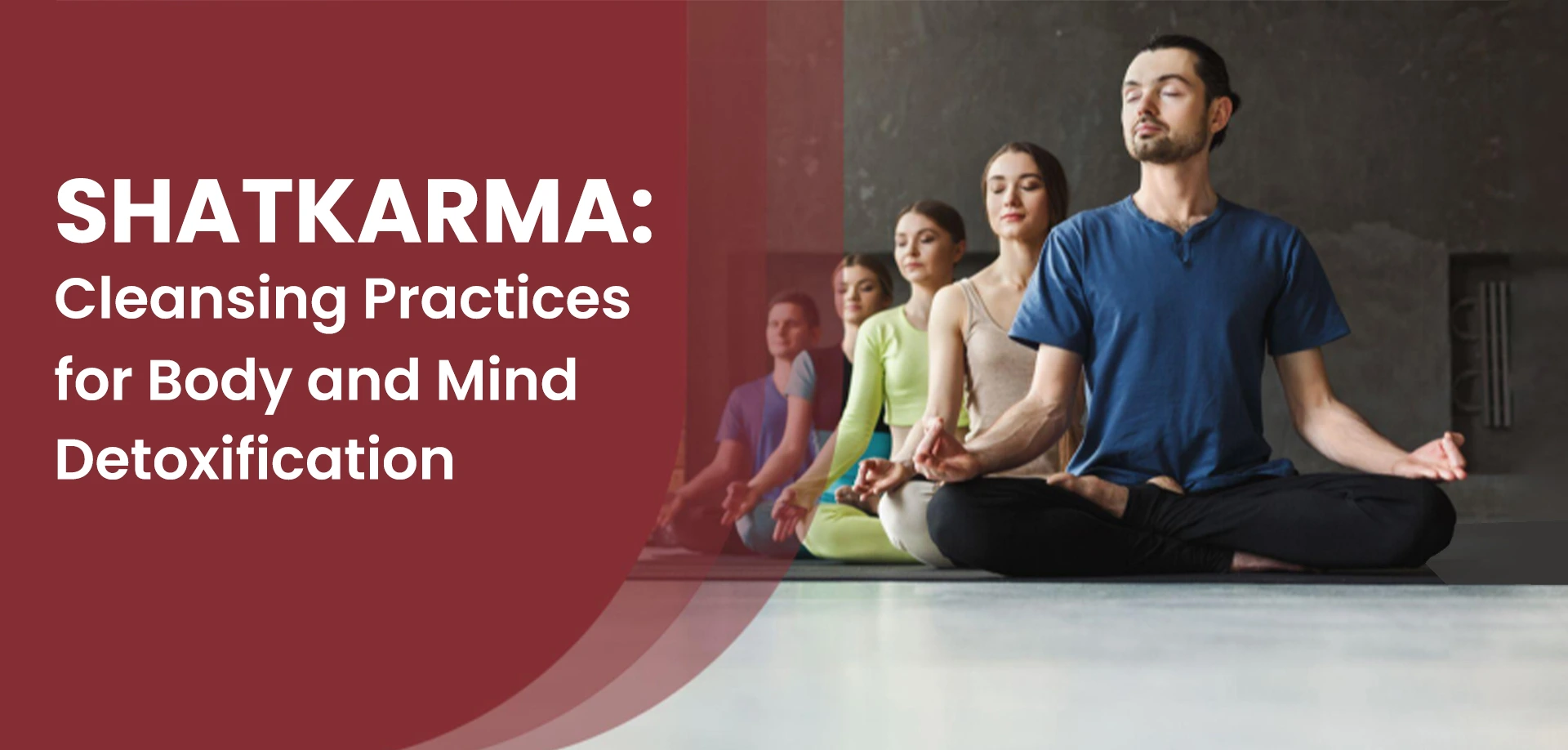
Ever feel weighed down—like your body and mind are sluggish though you eat right and try to stay active? That heaviness might not just be in your head. According to ancient yogic wisdom, it could be a sign of toxins and imbalances building up inside you. And that is where Shatkarma comes in.

Vishwachetna Wellness Centre in Hubli, we bring this powerful yogic science to life. Through personalized shatkarma yoga therapies, we help you clear away the blockages—physical and mental—that keep you from feeling your best. Let us take a closer look at how these age-old practices can help you feel light, energized, and deeply balanced.

What exactly is Shatkarma?

The word "Shatkarma" literally means “six actions” in Sanskrit. These are six cleansing techniques designed not just for the body but also for the mind and subtle energy channels (nadis and chakras).
Unlike a simple detox, these practices aim to bring your whole system—physical, emotional, and spiritual—into harmony.

Neti

The Real Benefits of Shatkarma

Sure, cleansing sounds good, but the benefits of shatkarma go way beyond that. When practiced correctly, it can:

  • Improve digestion and elimination
  • Clear up respiratory pathways
  • Boost immunity naturally
  • Sharpen your focus and mental clarity
  • Raise your energy levels
  • Cultivate calmness and inner peace

Think of it as a reset button for your entire system.

Vishwachetna’s Gentle Approach

Basti

Everyone’s body and mind work differently, right? That is why at Vishwachetna we never take a one-size-fits-all approach. Our yoga therapists start with a consultation before recommending any of the types of shatkarma suited for you.
Whether it is something simple like neti shatkarma or more advanced techniques like basti shatkarma, you will always be guided safely and gently.

A Quick Tour of the Six Shatkarmas

Curious about what these practices actually look like? Here’s a glimpse into the types of kriyas that make up Shatkarma:

  • Neti (Nasal Cleansing): Rinsing the nasal passages with saline water. The result? Clear breathing and fewer allergens—like a deep breath of fresh air.
  • Dhauti (internal cleansing): Cleansing the digestive tract using specialized movements and breathwork. Different forms of dhauti shatkarma are chosen based on your body’s needs.
  • Nauli (abdominal massage): Rolling and contracting the abdominal muscles to stoke digestive fire (agni) and improve circulation.
  • Basti (colon cleansing): This powerful method clears waste from the large intestine. Beginners start with gentle, guided basti shatkarma practices.
  • Kapalbhati (frontal lobe purification): Quick, forceful exhalations to energize the brain and sharpen focus.
  • Trataka (focused gazing): Fixing your gaze on a flame or single point. It is a meditative exercise that improves concentration and mental steadiness.

Together, these six kriyas form the complete list of shatkarma yoga practices—each with its own unique healing impact.

Experience Shatkarma at Vishwachetna

If you are ready to experience the transformative power of these ancient techniques, Vishwachetna Wellness Center in Hubli is here for you. Our experienced practitioners will guide you through safe, effective shatkarma yoga sessions tailored to your needs.

It is more than just cleansing—it is about rediscovering energy, clarity, and balance you didn’t even know you had lost. So why wait? Reach out today and step onto the path of holistic well-being with Shatkarma.

kapalabhati pranayama

Why Try Shatkarma Now?

Think about it: in today’s fast-paced world, we are constantly battling stress, pollution, and unhealthy patterns. Even the best diet and workout routine sometimes are not enough. That is why exploring the types of shatkarma is such a game-changer—it works on levels most modern wellness methods overlook.

Author image
About Author

Dr. Raghavendra Y, BAMS, MD (Kayachikitsa), Ph.D. (Pursuing) is the HOD and Chief Medical Officer at Patanjali Wellness – Vishwachetana Yoga and Research Centre, Hubballi. With over a decade of experience in Ayurveda, teaching, and research, he has guided multiple postgraduate scholars and received accolades like the Best Dissertation Award (2014–15) and Arogya Ratna Award (2018–19). His ongoing Ph.D. focuses on Dashamoola Rasayana in COPD. Renowned for his expertise in psoriasis, stress, and kidney health, he integrates Ayurvedic wisdom with modern science in holistic patient care.

Related Articles

Balance Mind and Body for Overall Health and Wellbeing

Transform Your Health with Yoga Classes in Hubli

Transform Your Wellbeing with Yoga Therapy at Our Hubballi Wellness Center

FAQ

What is Shatkarma in yoga and why is it important?

Shatkarma refers to six yogic purification techniques outlined in classical Hatha Yoga texts like the Hatha Yoga Pradipika and Gheranda Samhita. These practices—Neti, Dhauti, Nauli, Basti, Kapalabhati, and Trataka—aim to cleanse the body, balance the doshas (Vata, Pitta, Kapha), and prepare practitioners for deeper yogic practices like pranayama and meditation.

How does Neti kriya benefit respiratory health?

Neti kriya, particularly Jala Neti, involves nasal cleansing using a saline solution. This practice helps remove mucus and allergens, alleviates sinus congestion, and improves overall respiratory function. Regular practice can enhance breathing efficiency and reduce the frequency of respiratory infections.

Can Dhauti kriya improve digestive health?

Yes, Dhauti kriya involves cleansing the digestive tract, which can aid in alleviating issues like indigestion, acidity, and constipation. Techniques like Vastra Dhauti and Vamana Dhauti help remove toxins and improve gastrointestinal function.

What is the purpose of Nauli kriya in yoga practice?

Nauli kriya involves the rhythmic contraction and rotation of abdominal muscles. This practice massages internal organs, stimulates the digestive fire (Agni), and strengthens the abdominal region. It also aids in balancing the nervous system and enhancing willpower.

How does Kapalabhati enhance mental clarity?

Kapalabhati, often termed "skull shining breath," is a breathing technique that involves forceful exhalations. This practice increases oxygen supply to the brain, reduces mental fog, and enhances concentration and alertness. It's also effective in relieving stress and anxiety.

Is Trataka beneficial for improving vision and focus?

Trataka involves fixed gazing at a single point or object, like a candle flame. This practice strengthens eye muscles, improves vision, and enhances mental focus. It also aids in developing concentration and calming the mind.

Are Shatkarma practices suitable for beginners?

While some Shatkarma techniques are advanced, beginners can start with simpler practices like Jala Neti and Trataka under the guidance of a qualified instructor. It's essential to learn these techniques properly to ensure safety and effectiveness.
BOOK MY APPOINTMENT